
How to Measure Tire Tread Depth Before Buying
When buying used tires, tread depth is one of the most critical factors to consider. It directly impacts tire performance, safety, and longevity. At Tread Traders, we want to ensure you make an informed decision when purchasing used tires. This guide will help you measure tire tread depth effectively, so you know what you’re getting before you buy.
Why Is Tread Depth Important?
Tread depth is the vertical measurement from the top of the tire’s rubber tread to the bottom of its deepest grooves. Adequate tread depth ensures:
- Safety: Proper tread helps maintain traction, especially in wet or snowy conditions.
- Longevity: More tread means the tire will last longer.
- Performance: Tires with sufficient tread offer better handling and braking.
In Canada, the legal minimum tread depth is 1.6 millimeters (2/32 inches). However, for optimal performance and safety—especially in winter—it’s best to replace tires when tread depth falls below 4 millimeters (5/32 inches).
Tools You’ll Need to Measure Tread Depth
There are several simple tools you can use to measure tread depth:
- Tread Depth Gauge: A small, inexpensive tool available at most auto parts stores.
- A Coin: A common quarter can give a quick visual assessment.
- Built-In Wear Indicators: Modern tires often include tread wear bars molded into the grooves.
How to Measure Tire Tread Depth Using a Gauge
- Place the Gauge: Insert the probe into a groove on the tire tread.
- Press and Read: Push the base of the gauge flat against the tire and note the reading.
- Repeat Across the Tire: Measure multiple spots around the tire to check for even wear.
Using a Coin to Check Tread Depth
- Insert the Quarter into the Tread Grooves
- If you’re using a Queen Elizabeth quarter, insert it crown side down into the tread.
- For a King Charles quarter, insert it with King Charles’ hairline facing down into the groove.
- Assess the Tread Depth
- If you can see the entire crown (or King Charles’ hairline), the tread depth is below 1.6 millimeters, and the tire is unsafe.
- If part of the crown or hairline is covered by the tread, the tire has sufficient depth for regular use.
- For winter tires, ensure at least half of the crown or hairline is covered for safe performance in snow or ice.
- Check Multiple Areas
Measure tread depth in several spots around the tire to account for uneven wear.
Check Built-In Wear Indicators
Modern tires often include small, raised bars in the grooves. When the tread wears down to the level of these bars, it’s time to replace the tire.
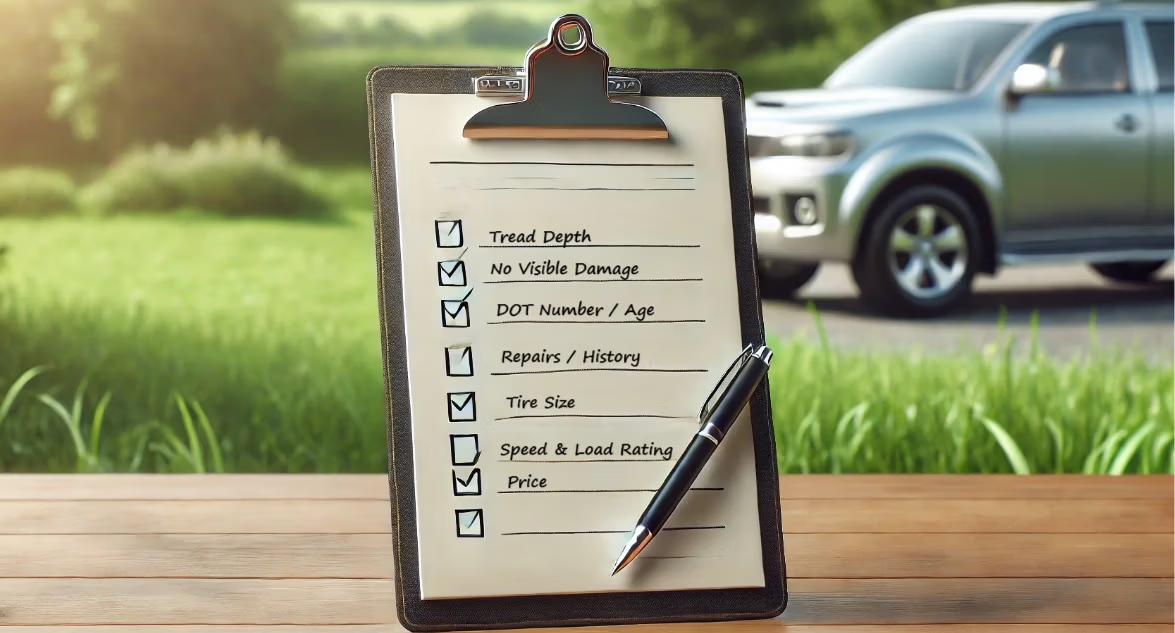
Tips for Evaluating Used Tires
- Check for Uneven Wear: Uneven tread can indicate alignment issues or improper inflation.
- Look for Cracks or Bulges: These could compromise tire safety, even if tread depth is sufficient.
- Confirm Age: Check the DOT number on the sidewall for the tire’s manufacture date.
Why Buy Used Tires on Tread Traders?
Measuring tread depth is an essential step when buying used tires. Whether you use a gauge, a coin, or inspect wear indicators, knowing the tread depth ensures you’re making a safe and worthwhile investment.
At Tread Traders, we’re here to help you find the right tires at the right price. Browse our listings today to find high-quality used tires that meet your needs.