
How to Choose the Right Tires for Winter Driving in Canada
Winter in Canada is no joke. With icy roads, heavy snowfalls, and freezing temperatures, choosing the right tires is crucial for safe driving. At Tread Traders, we understand the unique challenges of Canadian winters and want to help you make the best decision for your vehicle and your safety. Here’s everything you need to know about selecting the perfect winter tires for your needs.
Why Winter Tires Are Essential in Canada
Winter tires are specially designed to handle cold temperatures and slippery surfaces. Unlike all-season tires, they are made from a softer rubber compound that stays flexible in temperatures below 7°C. This flexibility improves traction on icy or snowy roads, helping you stop, steer, and accelerate more effectively.
Key Factors to Consider When Choosing Winter Tires
- Tire Certification: Look for the Mountain Snowflake Symbol
In Canada, the Mountain Snowflake symbol on the sidewall indicates the tire meets safety standards for severe snow conditions. Avoid tires without this certification, as they may not perform adequately in harsh winter weather.
- Tread Design: Go for Deep, Aggressive Patterns
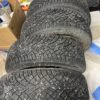
Winter tires have deeper and more aggressive tread patterns than all-season tires. These patterns enhance grip by expelling snow, ice, and slush from under the tire. Look for tires with zigzag sipes, which improve traction on icy surfaces.
- Studded vs. Non-Studded Tires
- Studded Tires: Offer superior grip on ice by using small metal studs embedded in the tread. These are ideal for regions with prolonged icy conditions but may not be permitted in some provinces.
- Non-Studded Tires: Use advanced rubber compounds and tread designs for excellent performance in snow and ice without damaging road surfaces.
- Size Matters: Stick to Manufacturer Recommendations
Your vehicle’s manufacturer specifies the correct tire size for optimal performance. Check your owner’s manual or the sidewall of your current tires for size details.
- Regional Conditions
Canada’s winters vary significantly by region. For example:
- Prairies: Choose tires with strong ice-handling capabilities.
- West Coast: Prioritize tires that perform well in wet, slushy conditions.
- Northern Territories: Opt for studded tires or models designed for extreme cold.
How to Save on Winter Tires
At Tread Traders, you can find a variety of high-quality used winter tires, helping you stay safe without breaking the bank. Our platform connects buyers and sellers across Canada, offering competitive prices on reliable tire options.
When to Switch to Winter Tires
The best time to install winter tires is when temperatures consistently drop below 7°C. For most Canadians, this means late October to early November. Don’t wait until the first snowstorm—prepare in advance to ensure your safety.
Maintaining Your Winter Tires
To maximize the lifespan of your winter tires:
- Rotate them every 8,000–10,000 km.
- Store them in a cool, dry place during the off-season.
- Check tire pressure regularly, as it decreases in cold weather.
Shop Smart with Tread Traders
Choosing the right winter tires is critical for safe and efficient driving during Canada’s harsh winters. By understanding your driving needs, regional conditions, and tire options, you can make an informed decision.
Whether you’re looking for budget-friendly used tires or premium new ones, Tread Traders has you covered. Our platform simplifies the buying process and ensures you have access to the best deals across Canada.
Browse our listings at Tread Traders today and drive confidently this winter!